Clarity over complexity
Complexity is sometimes unavoidable. Confusion is not.
An operating system for building things that last
An operating system for building things that last.
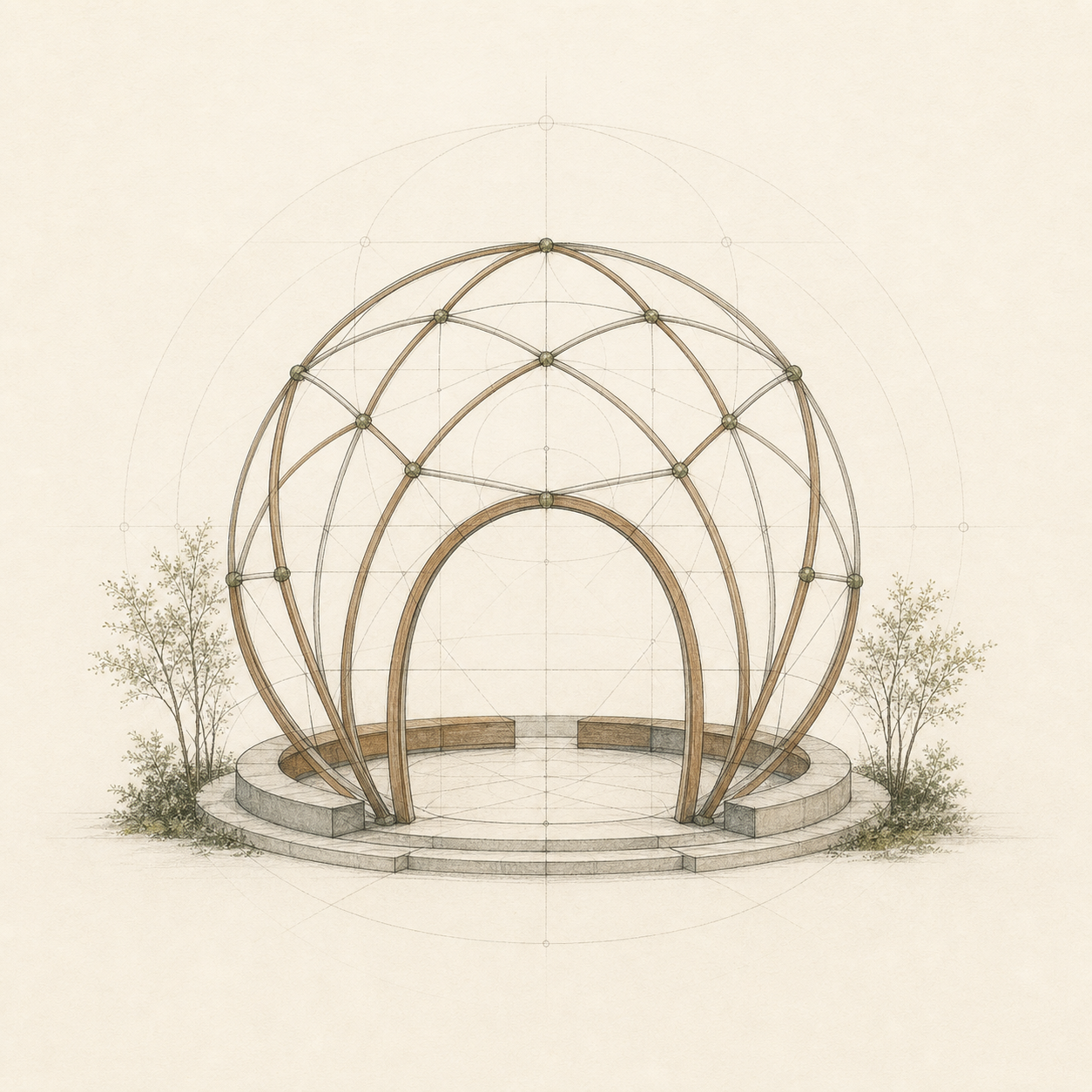
Purpose, Perception, Judgment, Action, and Learning connected as one operating system.
What are we trying to serve, protect, create, or become?
What is actually happening?
What should be done, given the purpose and reality?
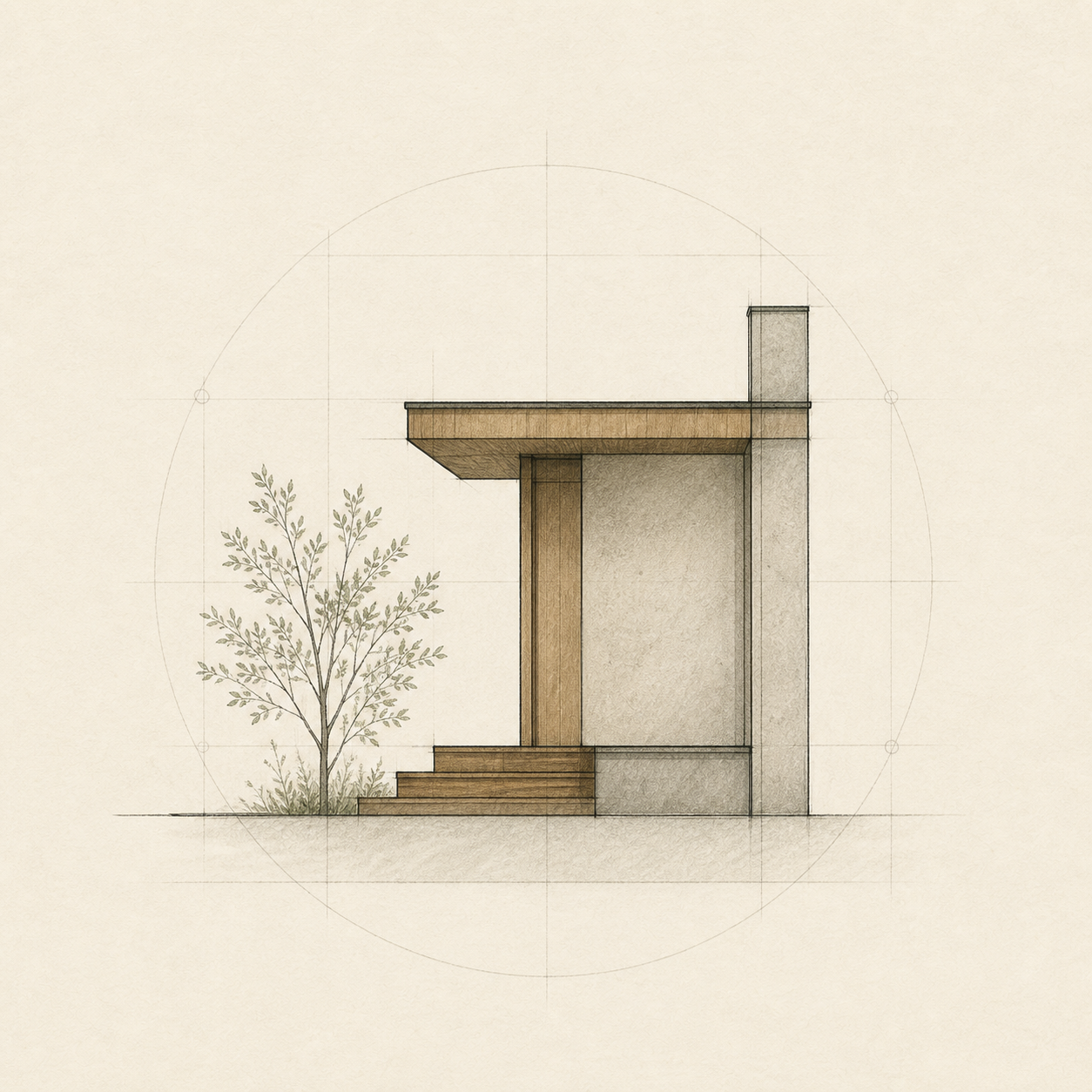
How do we coordinate and execute?
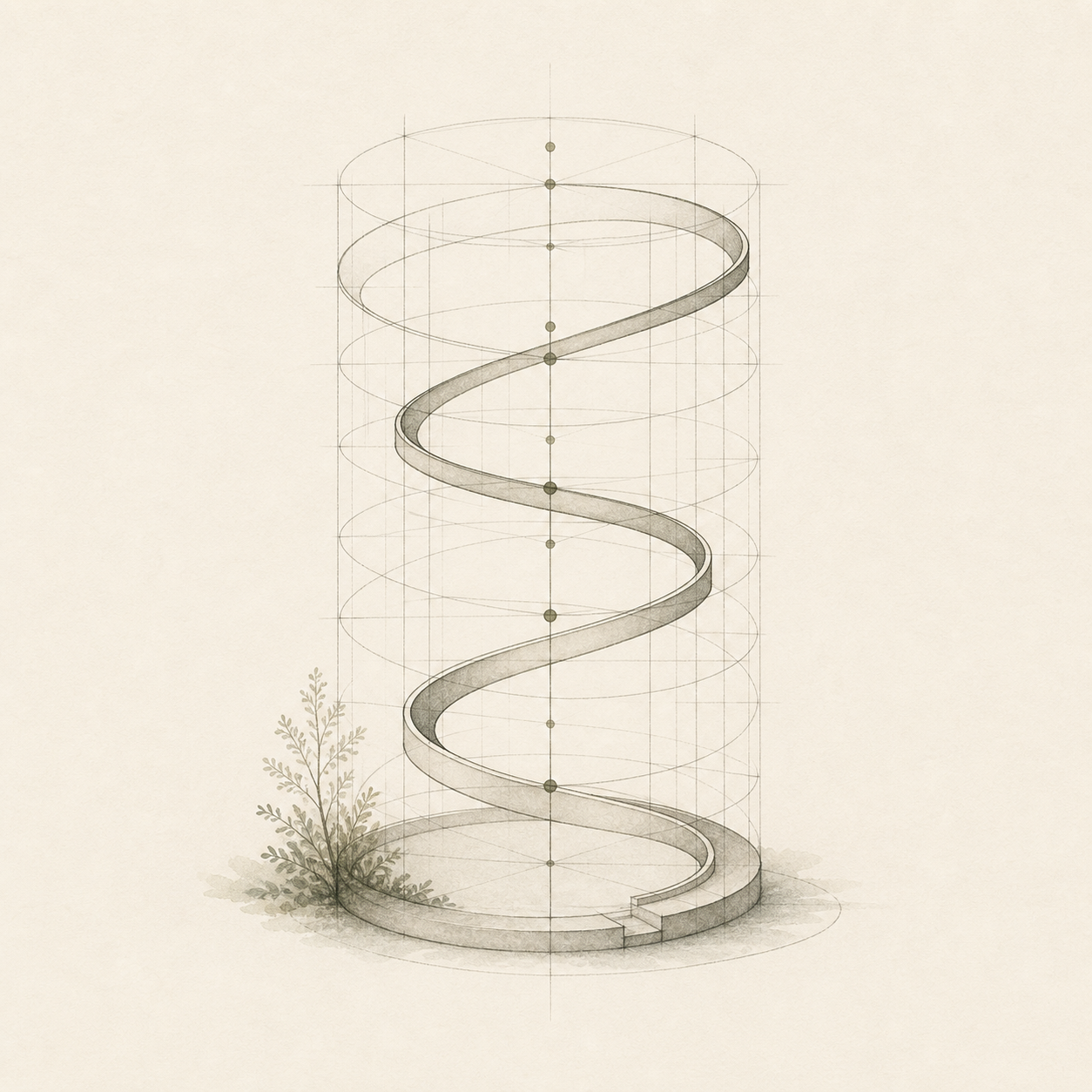
What happened, what did we learn, and what should change?
The Method is an evolving operating system for clearer thinking, better judgment, aligned action, institutional memory, and continuous learning.
A recurring pattern
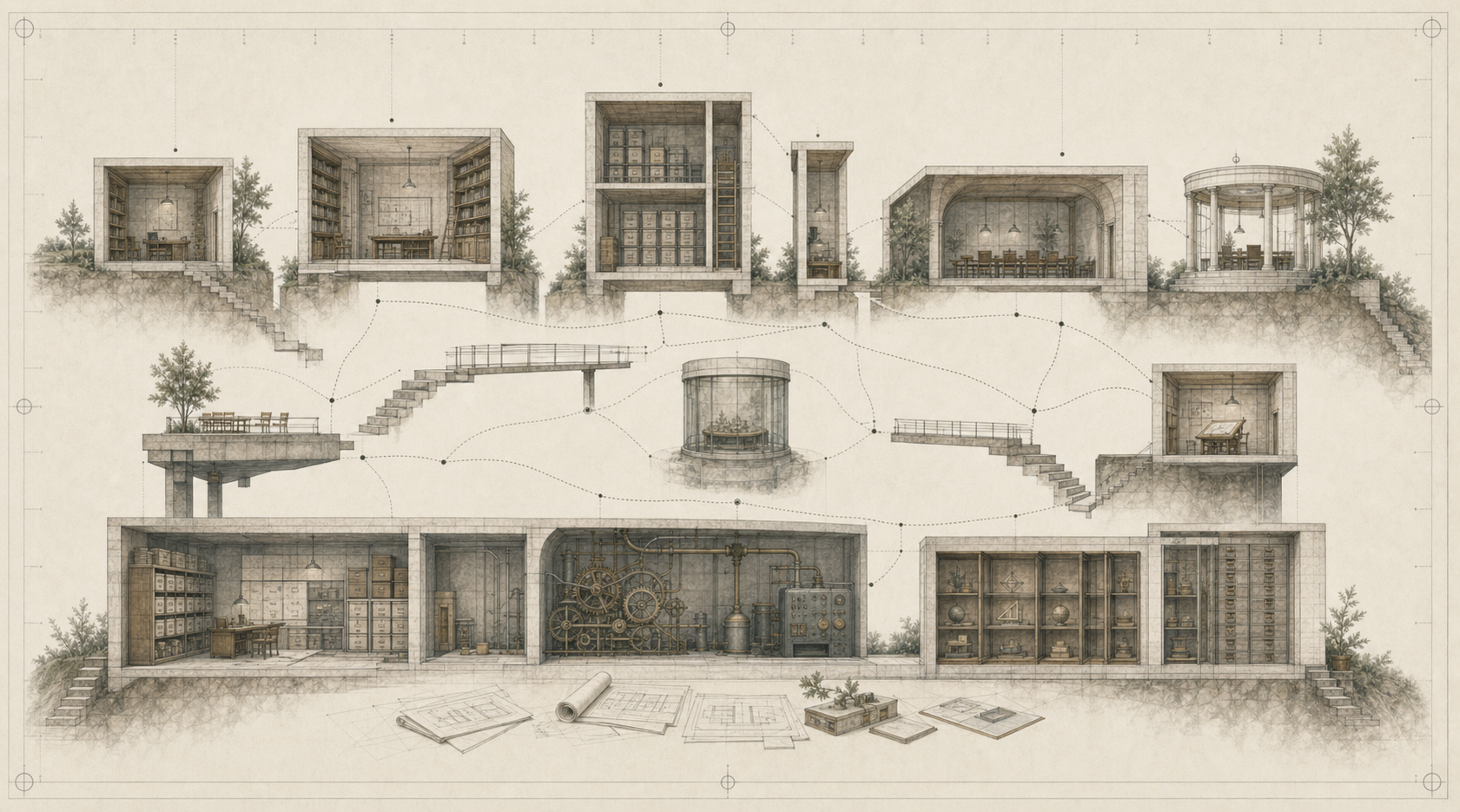
Activity grows while the underlying system remains disconnected.
are made but not preserved.
is created but not organized.
are added but not integrated.
is introduced without clear governance.
are learned then repeatedly forgotten.
People work hard. Urgency grows. Shared direction and long-term judgment quietly recede.
Why The Method exists
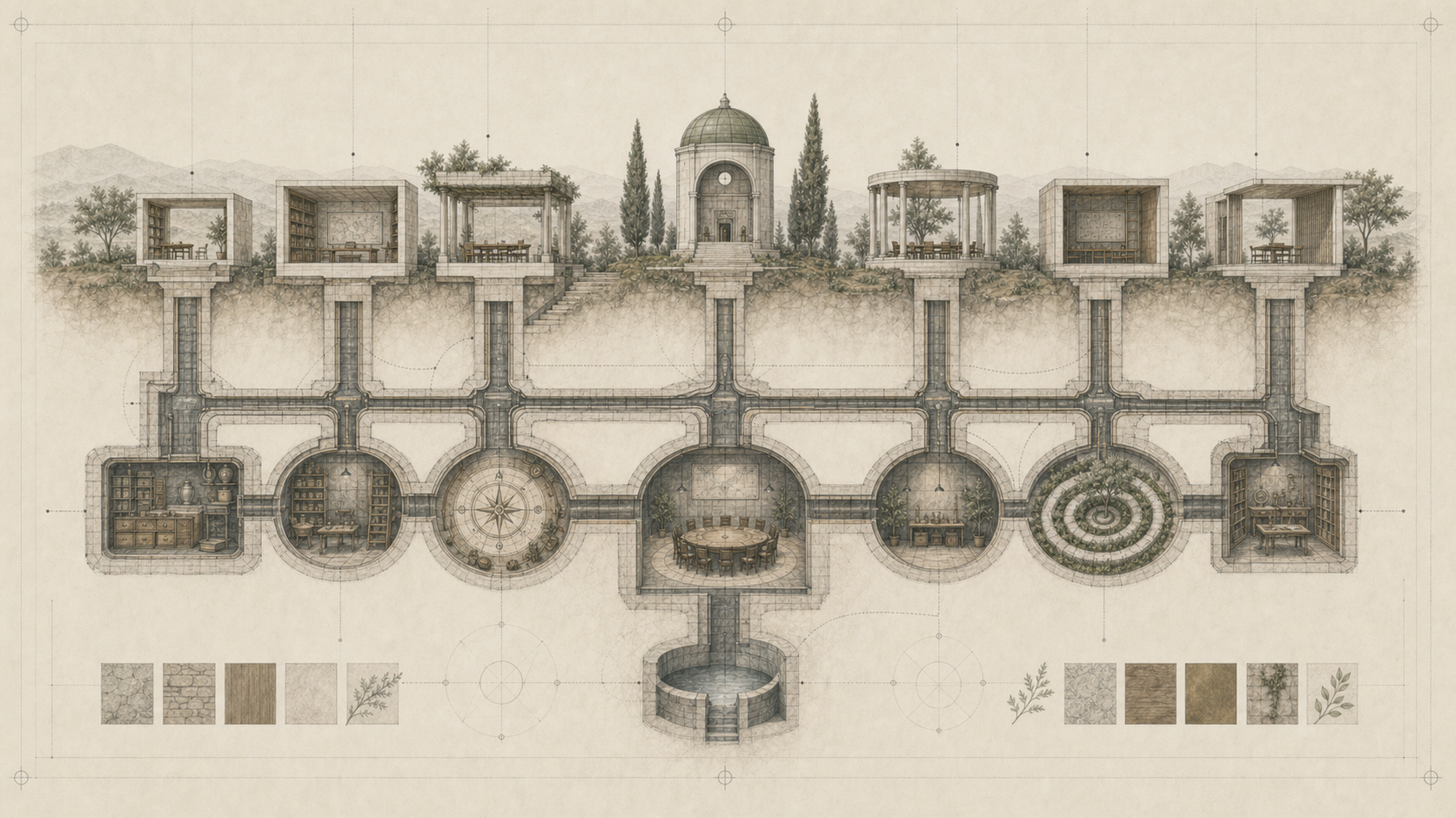
Distinct forms, supported by common foundational capabilities.
Most methods solve an isolated problem: strategy, execution, leadership, productivity, knowledge management, AI adoption, or decision-making.
The Method is being built to connect these capabilities into one coherent operating system—without making every organization the same.
The Method does not tell every organization what to become. It helps each organization build the capabilities required to become what it intends to be.
The current architecture
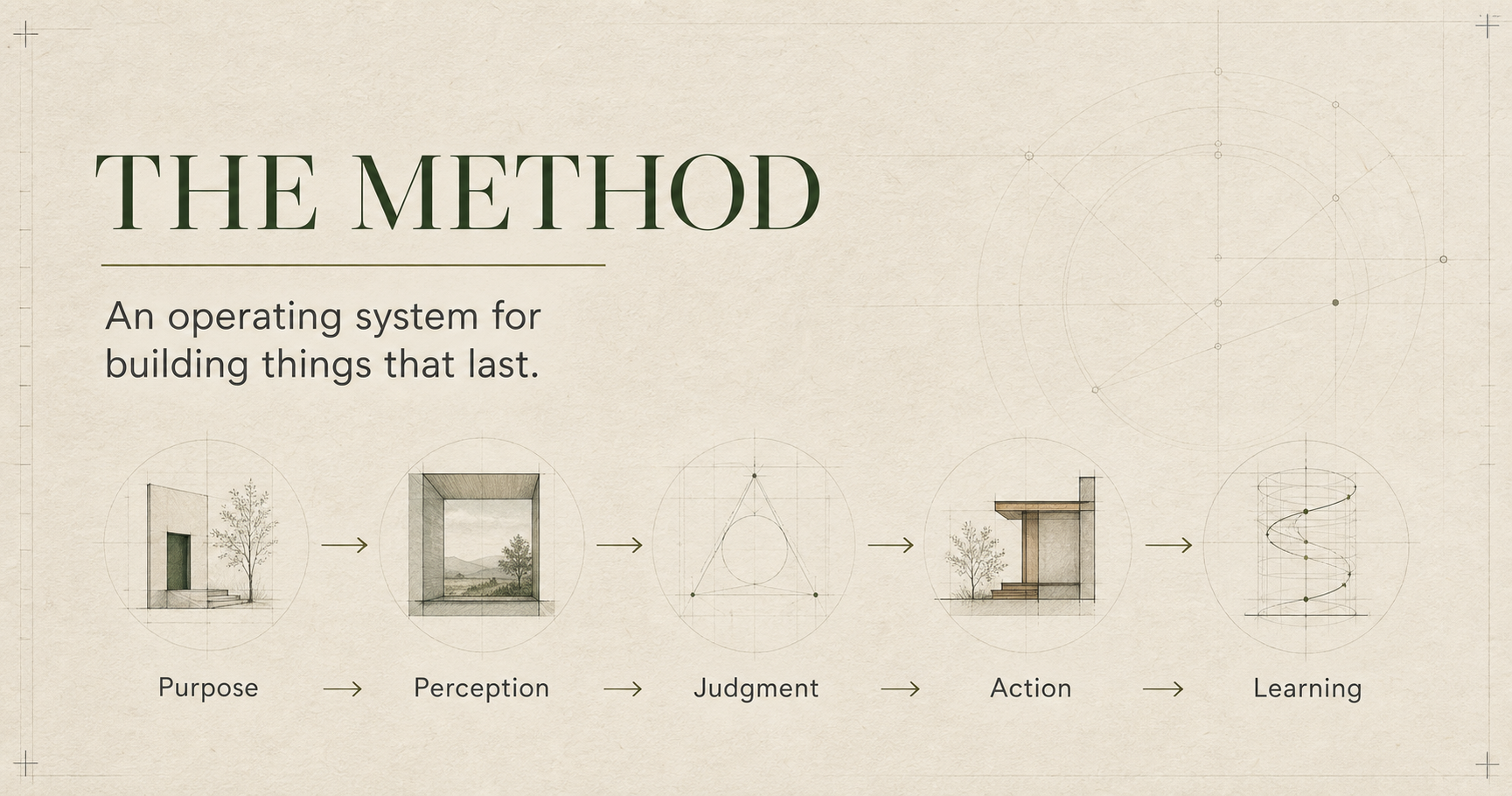
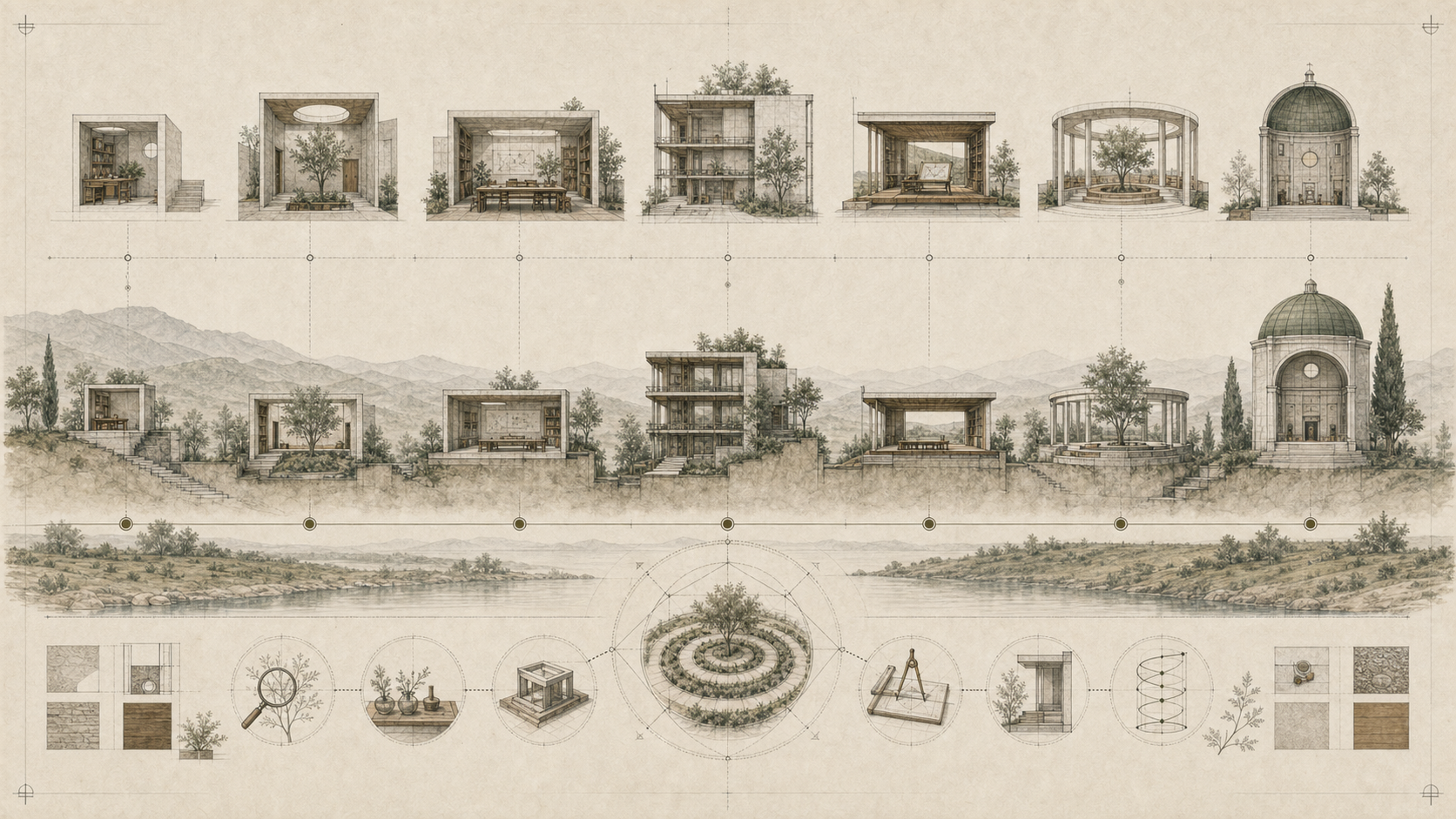
The kernel, expressed as a sequence of spatial studies.
What are we trying to serve, protect, create, or become?
What is actually happening?
What should be done, given the purpose and reality?
How do we coordinate and execute?
What happened, what did we learn, and what should change?
An evolving sequence, not an immutable doctrine. Each movement informs the next; learning changes what follows.
The operating architecture
The current seven systems describe foundational organizational capabilities. Their configuration changes with purpose, context, and scale.
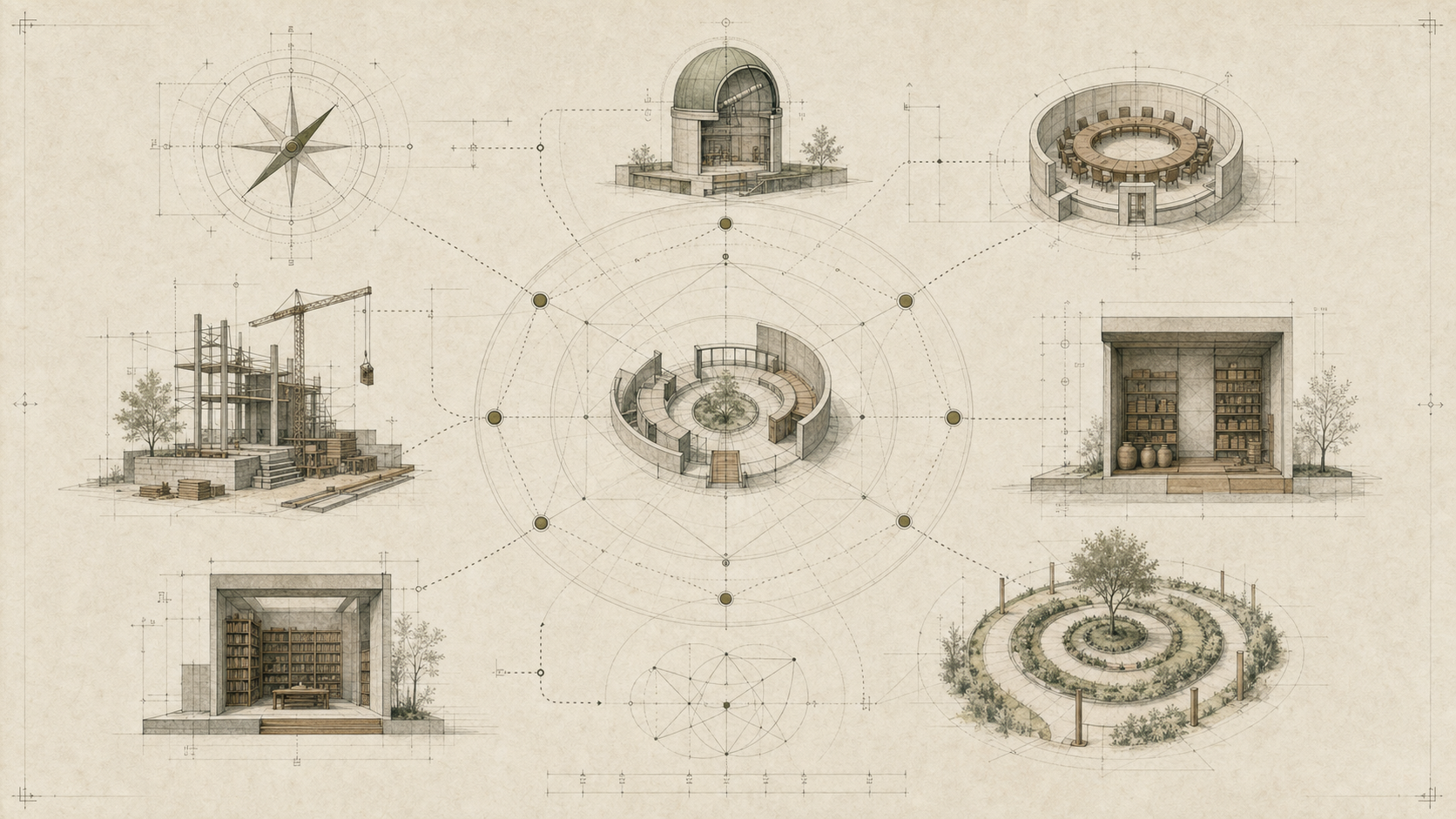
Seven capabilities connected by one underlying architecture.
Defines purpose, priorities, boundaries, and what matters.
What matters, and where are we going?
Observes reality, interprets information, and recognizes change.
What is actually happening?
Clarifies authority, accountability, decision rights, and disagreement.
Who decides, how, and with what accountability?
Turns decisions into organized action across people, systems, and time.
How does intention become organized action?
Directs money, time, attention, talent, and technology.
Where should scarce resources be directed?
Preserves decisions, context, experience, and lessons.
What must the organization remember?
Tests assumptions, evaluates outcomes, and improves the system.
How does the system improve?
What guides the work
Complexity is sometimes unavoidable. Confusion is not.
Tactics expire. Good principles remain useful across contexts.
More information does not automatically produce better judgment.
Systems should expand human capability, not replace accountability.
Some consequences unfold over years or generations.
Experience gains value when it is examined, preserved, and reused.
The architecture stays disciplined by resisting unnecessary concepts.
A position on responsibility
AI can extend what people can see, compare, remember, and implement. Humans remain responsible for why the work exists and what follows from it.
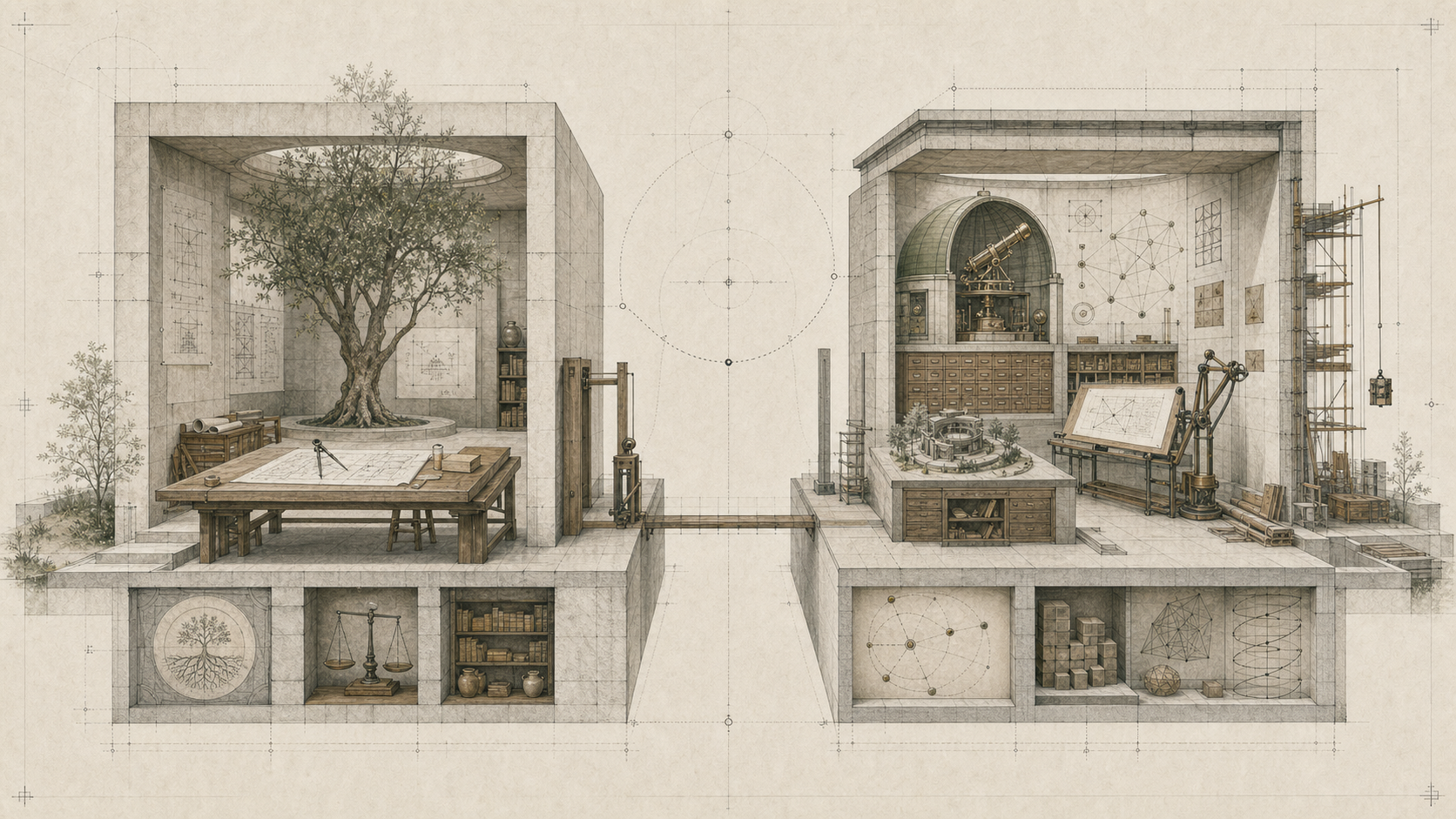
Capability crosses the threshold. Responsibility remains anchored.
Human responsibility
PurposeValuesAuthorshipJudgmentAccountabilityConsequencesAI capability
AnalysisResearchPattern recognitionDocumentationSimulationCoordinationImplementation supportThe Method is not anti-automation. It is pro-responsibility.
Work, not branding language
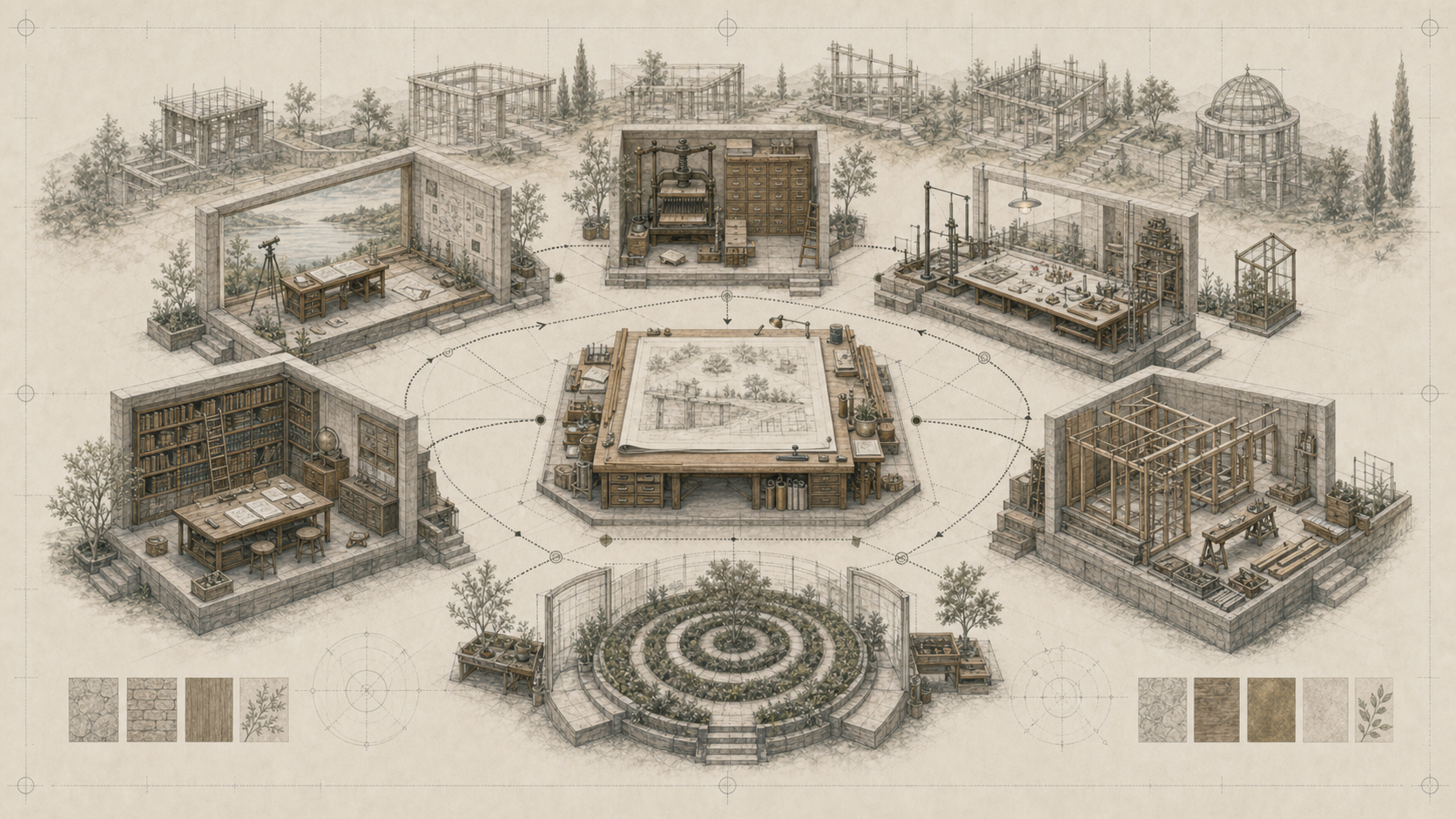
A working studio: ideas observed, tested, built, and returned to learning.
Ideas must survive
A single example is a case study, not proof.
One architecture
The same foundational capabilities may support different human systems. Purpose, roles, scale, risk, culture, and domain requirements change the configuration.
Common foundations, expressed at different scales and in different forms.
IndividualsFamiliesTeamsCompaniesProjectsCommunitiesInstitutionsCommon foundations do not require identical forms.
The work is alive
In development
Current inquiry
Being tested
Current inquiry
In development
Being distilled
Being tested
In development
Follow the work
Follow as the architecture is tested, refined, and applied to real organizations, projects, and decisions.